Hardcover vs Paperback: Which Format is Right for You?
 0
0
 0
0 Hardcover is usually better if you want durability, a collectible shelf copy, or a book you plan to keep for years. Paperback is usually better if you want a lower-cost, lighter, easier-to-carry copy for everyday reading.
There is no single best format for every reader. The right choice depends on how often you reread, whether you travel with books, how much shelf space you have, and whether the book is part of a long-term collection.
By Jayne Turner – Staff Writer
| Factor | Hardcover | Paperback |
|---|---|---|
| Durability | Stronger cover and binding; better for long-term shelves | More flexible but easier to crease or damage |
| Cost | Usually more expensive | Usually more affordable |
| Portability | Heavier and less convenient for travel | Lighter, smaller, and easier to carry |
| Collecting | Better for first editions, signed copies, and display | Better for casual reading, lending, and book bags |
| Comfort | Feels premium but can be bulky | Flexible and easier to hold for long sessions |
Hardcover Pros
Durability: Hardcovers are more durable than paperbacks because they have sturdier covers and stronger bindings. If you reread favorites or want books to last for years, hardcover is usually the safer format.
Aesthetic: Hardcovers often have a premium feel. Dust jackets, embossed designs, thicker boards, and special editions can make them more appealing on a bookshelf.
Collecting value: For collectors and bibliophiles, hardcovers often feel more permanent. They are also commonly associated with first editions, signed copies, and display-worthy releases.
Hardcover Cons
Cost: Hardcovers are often more expensive than paperbacks. If you mainly want to read the story once, the higher price may not be worth it.
Weight: Hardcovers can be heavy and less comfortable to hold during long reading sessions. They are also less convenient for commuting, travel, or reading in bed.
Material use: Hardcovers can last longer, but they also use more material upfront. Their sustainability depends partly on whether you keep and reuse them over time.
Paperback Pros
Affordability: Paperbacks are usually cheaper to produce and buy, which makes them easier for casual readers, students, and frequent book buyers.
Portability: Paperbacks are easier to fit into a tote bag, backpack, purse, or carry-on. They are lighter and take up less space than most hardcovers.
Comfort: Many readers prefer paperbacks because the covers bend, the spines are flexible, and the book is easier to hold for long stretches.
Paperback Cons
Durability: Paperbacks are more likely to show creases, bent corners, cracked spines, and page wear. If it is a book you plan to revisit often, you may prefer hardcover.
Display value: Paperbacks can still look great on a shelf, but they usually do not have the same collector feel as hardcovers or special editions.
Which Format Should You Choose?
Choose hardcover if the book is a favorite author release, a collector’s item, a gift, a signed edition, or something you want to keep for years. Choose paperback if you want an affordable copy for everyday reading, travel, lending, school, or casual rereads.
Some readers use both: hardcover for special books and paperback for everything else. That approach gives you durability where it matters and flexibility where it saves space and money.
What About Digital and Audio Formats?
Digital and audio formats can also fit into a reading routine. Ebooks are portable and searchable, while audiobooks make it easier to read during commutes, chores, or exercise.
Some readers still prefer physical books because they want fewer screen distractions, easier annotation, or a visible collection. Long screen sessions can also contribute to eye discomfort for some people, so it is reasonable to take breaks and choose the format that feels best for your habits.
Related BoostUp Reading Guides
If you are comparing reading formats and habits, these BoostUpBlogging guides can help you choose what fits your routine:
- Why Audiobooks Are Exploding in Popularity in 2026
- How to Read Academic Articles
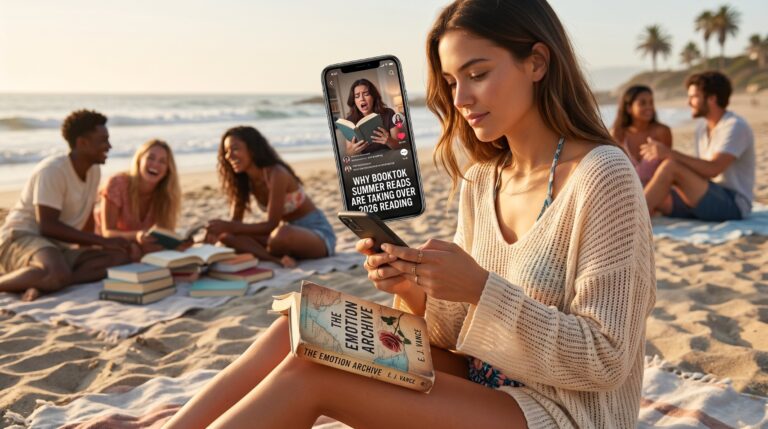
- Why BookTok Summer Reads Are Taking Over 2026 Reading
- Why Marginalia Is Becoming a Social Media Trend
- Which Planner is the Best for 2026?
Frequently Asked Questions
Is hardcover better than paperback?
Hardcover is better for durability, collecting, gifting, and long-term shelf life. Paperback is better for affordability, portability, and everyday reading.
Why are hardcovers more expensive?
Hardcovers usually cost more because they use sturdier covers, stronger binding, heavier materials, and are often released before paperback editions.
Do paperbacks last long?
Paperbacks can last a long time with careful handling, but they are more likely to crease, bend, and show spine wear than hardcovers.
Which format is best for travel?
Paperback is usually best for travel because it is lighter, smaller, and easier to pack. Audiobooks and ebooks can also work well for trips where bag space matters.
Conclusion
Hardcover is best when durability, display, and collection value matter. Paperback is best when cost, comfort, and portability matter more.
At the end of the day, the best book format is the one that helps you keep reading. Many book lovers choose both, using hardcovers for special books and paperbacks for everyday reading.
Author: Jayne Turner is a freelance writer from Los Angeles, California. She has a bachelor’s degree in Neuroscience with an emphasis on language and cognition. She has ten years of musical theatre experience and a lifelong love of reading. Utterly excited by the brain, she brings a fresh Gen Z perspective to the topics that intrigue us most.