Carvana vs. Local Dealers in Washington
 0
0
 0
0 Direct Answer
For most Washington drivers who prioritize local inspections, immediate trade-in tax savings, and in-person service, a nearby dealership usually offers clearer long-term value. If you value a fully digital purchase and convenience over in-person checks and possible transport fees, a national seller like Carvana can work—but you must factor in shipping costs, return rules, and registration steps unique to Washington.
Why this comparison matters for Washington drivers
Washington’s geography and state rules change the stakes of any car purchase. Whether you cross Snoqualmie Pass in winter or drive gravel roads in the Yakima Valley, you need assurance about corrosion, brakes, and drivetrain condition that a remote photo gallery may miss. Additionally, Washington’s sales-tax and title processes affect total cost and timing. This piece breaks down how local dealerships and online retailers handle those regional issues so you can pick the approach that fits your priorities.
How the two buying models differ at a glance
- Local dealerships: Inventory priced for regional demand, in-person inspections, on-site finance teams, trade-in tax credits applied at sale, and nearby service departments.
- National e-commerce sellers (e.g., Carvana): Streamlined digital purchase, home delivery, algorithmic trade-in offers, and centralized customer service with shipping and return policies that can add cost or complexity for Washington buyers.
Upfront price vs. transport and hidden fees
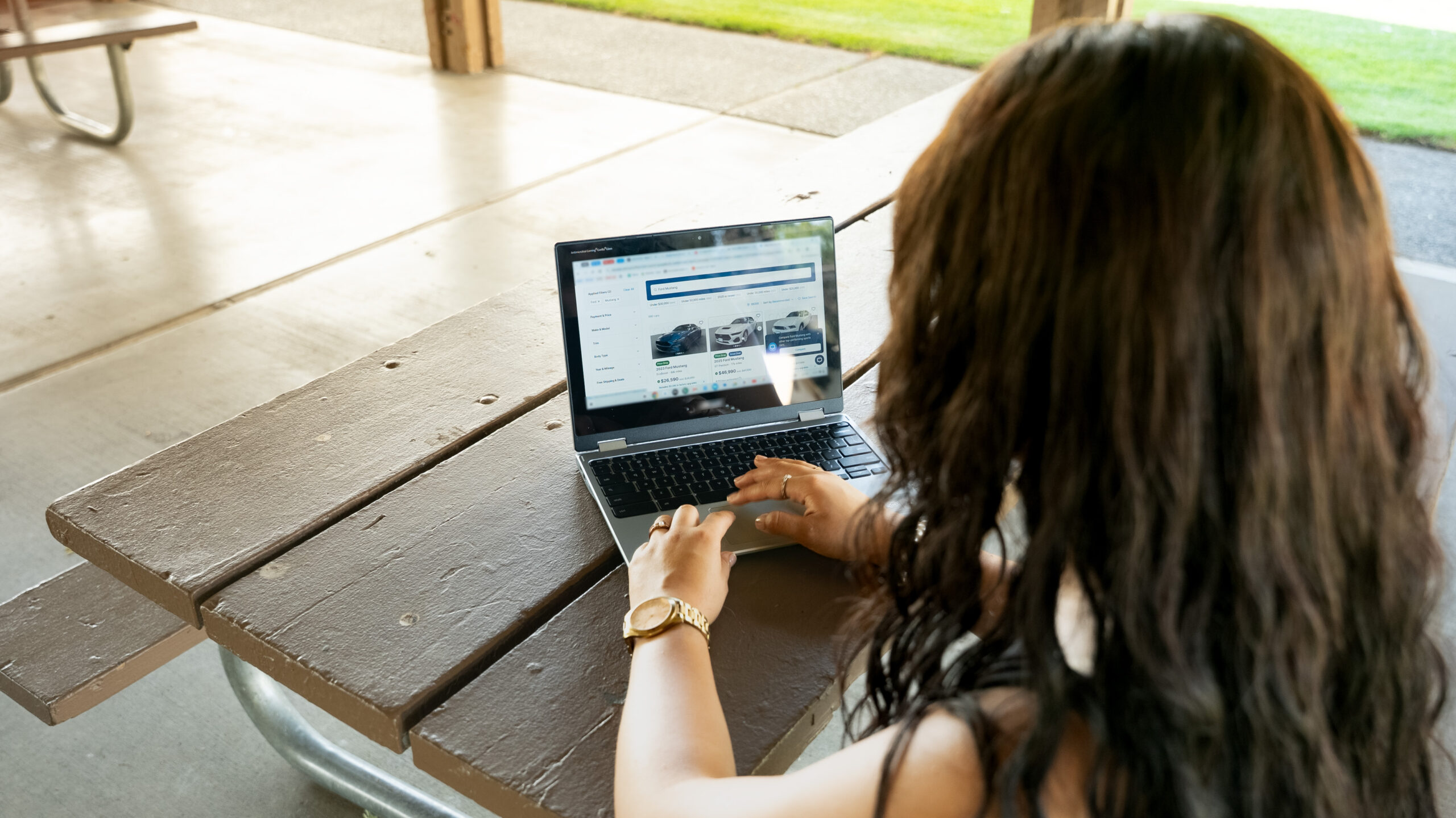
Online retailers often advertise one-price, no-haggle listings that seem economical at first glance. But many national platforms store cars in regional hubs and charge transport fees to deliver a specific vehicle to your Washington address. Those shipping costs can range from a few hundred to over a thousand dollars and are typically non-refundable if you later return the vehicle. Local dealers, by contrast, usually include regional logistics in their sticker price and will calculate your exact sales tax at purchase using resources like the Washington Department of Revenue tax lookup, avoiding surprise transport line items on your invoice.
Inspection realities: eyes, hands, and test drives
National platforms rely on detailed photo sets and standardized checklists. While helpful, images and lists miss subtle but important issues—salt corrosion under the car, hairline leaks, or faint odors that only surface during a long loop over local roads. Buying locally means you can personally inspect the vehicle, open the hood, and drive it on the same roads you use every day before you sign paperwork.
Trade-ins and immediate tax advantages
Carvana-style services generate trade-in values with online forms and algorithms; those offers can be revised if a delivered vehicle’s condition differs from your submission. A neighborhood dealership typically evaluates your trade-in in person and applies the tax credit right away, reducing the taxable portion of your new purchase and often saving you hundreds on Washington sales tax at the point of sale.
Financing: algorithms vs. dealer networks
Digital lenders embedded in online platforms are convenient but may rely on proprietary networks and automated underwriting that don’t always secure the lowest APR. Local dealers maintain finance departments with established contacts among national banks, manufacturer captive lenders, and regional credit unions. An experienced finance manager can submit your file to several lenders and negotiate more competitive terms than a single automated path might produce. See an example dealer finance resource at Speck Dealerships finance.
After-sale service and warranty support
If a warning light appears weeks after purchase, national retailers typically route you through centralized customer service and third-party repair networks. In contrast, a local dealer offers a physical service counter, factory-trained technicians, and a service manager you can visit in person. For many Washington owners, having a nearby service relationship is a significant practical benefit.
Legal protections and Washington’s rules
Washington’s consumer protections—like the Attorney General’s Lemon Law—primarily apply to new vehicles and specific warranty situations. Since many used cars are sold “as-is,” a sight-unseen online purchase carries more risk. Buying from a local dealer gives you the opportunity to choose certified pre-owned options backed by factory standards, such as those listed at Speck’s CPO inventory, which can provide tighter protections from day one.
Common buyer mistakes to avoid in Washington
- Relying on short return windows as a substitute for inspection: A return policy is not the same as a full mechanic’s inspection. If you depend on a brief trial period, you must arrange an independent inspection quickly and may still lose transport fees.
- Overlooking title and registration handling: Out-of-state sellers may not manage Washington Department of Licensing paperwork the same way local dealers do, which can lead to temporary tag expiration or registration delays.
- Assuming online offers are final: Algorithmic trade-in or purchase quotes can change after physical verification—know the terms and any inspection contingencies.
Deciding factors checklist
- Do you need immediate, local service and ongoing maintenance?
- Are you comfortable accepting the risk of a digital-only inspection?
- Will potential non-refundable transport fees negate online price savings?
- Could a dealer finance team obtain better APR or more flexible terms for your credit profile?
Frequently Asked Questions — Washington buyers
Q: What happens to my Washington sales tax if I return an online vehicle?
A: If you cancel a purchase within the online seller’s stated return period, the original sales transaction is voided and state sales tax paid on that sale will be refunded. Keep in mind, however, that transport or delivery fees charged to bring the car to Washington are often not refundable, so you could still lose that amount even after a tax refund.
Q: Do local dealerships offer no-haggle pricing like online platforms?
A: Many brick-and-mortar dealers now use transparent or market-based pricing to reduce back-and-forth negotiation. That approach can give you the convenience of a set price while retaining the benefits of in-person inspection, trade-in evaluation, and on-site paperwork handling.
Ready to find your next vehicle? Visit Speck Dealerships — or browse their online inventory.
Watch this informative Carvana vs. Dealership comparison video to see a real-world look at delivery fees, shipping policies, and how the two buying models differ in practice.
Related reading on boostupblogging.com: Washington Car Buying Guide and Checklist for Drivers 2026; New vs. Used Cars: The Washington State Driver’s Guide.